Our Technology
Explore the patent-pending technology behind Quantonic's hybrid photonic-classical computing platform. 16 detailed technical diagrams showing system architecture, photonic processing, and educational interface.
Our Technology
The QL-series platform combines photonic quantum processing with classical acceleration through a patent-pending hybrid architecture. Below are technical diagrams from our patent application illustrating key system components.
System Architecture
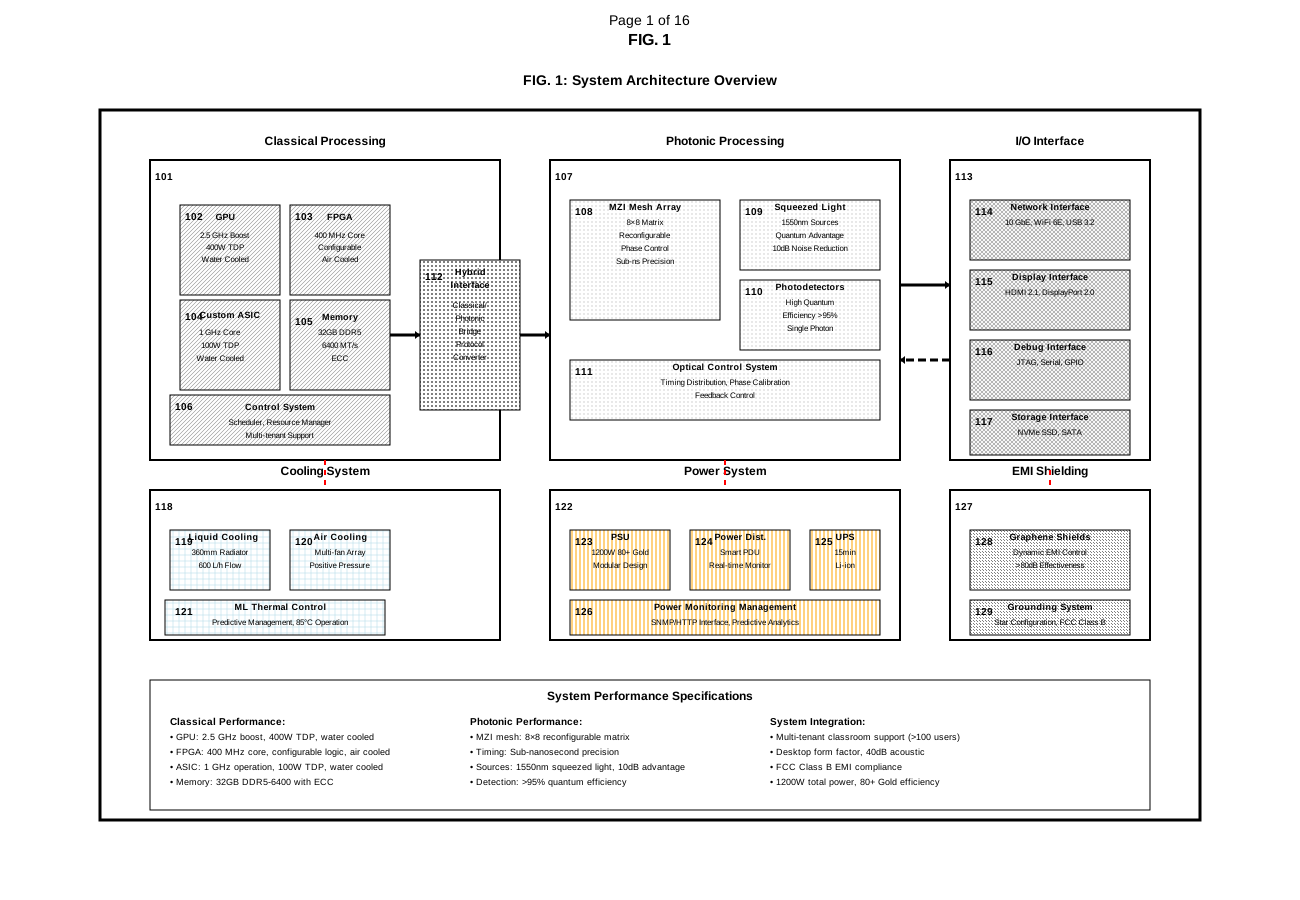
System Architecture Overview
High-level overview of the QL-series hybrid photonic-classical computing platform, showing the integration between classical processing units and the photonic subsystem.
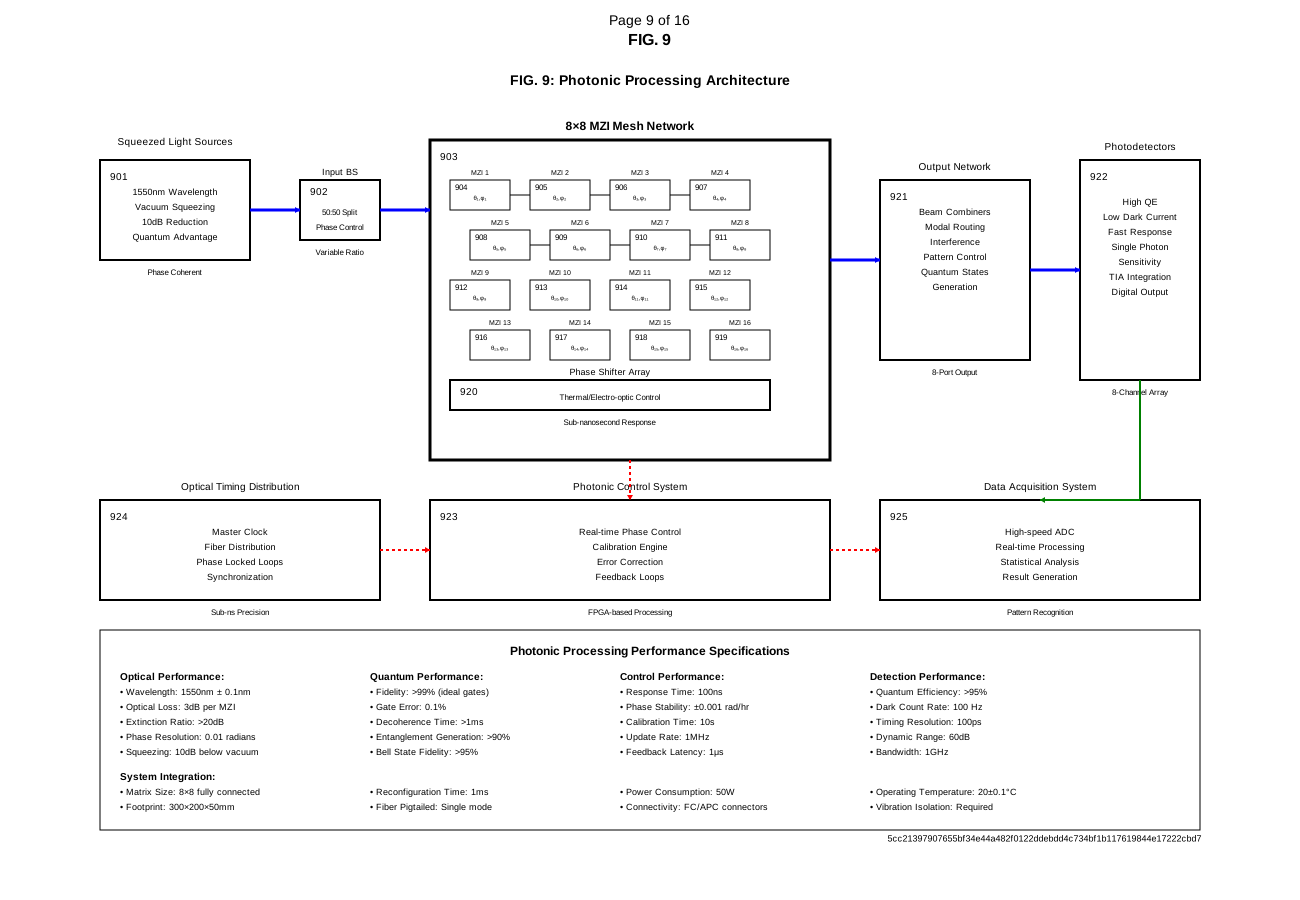
Photonic Processing Unit
Detailed architecture of the photonic processing unit (PPU) showing Mach-Zehnder interferometer mesh and optical pathways.
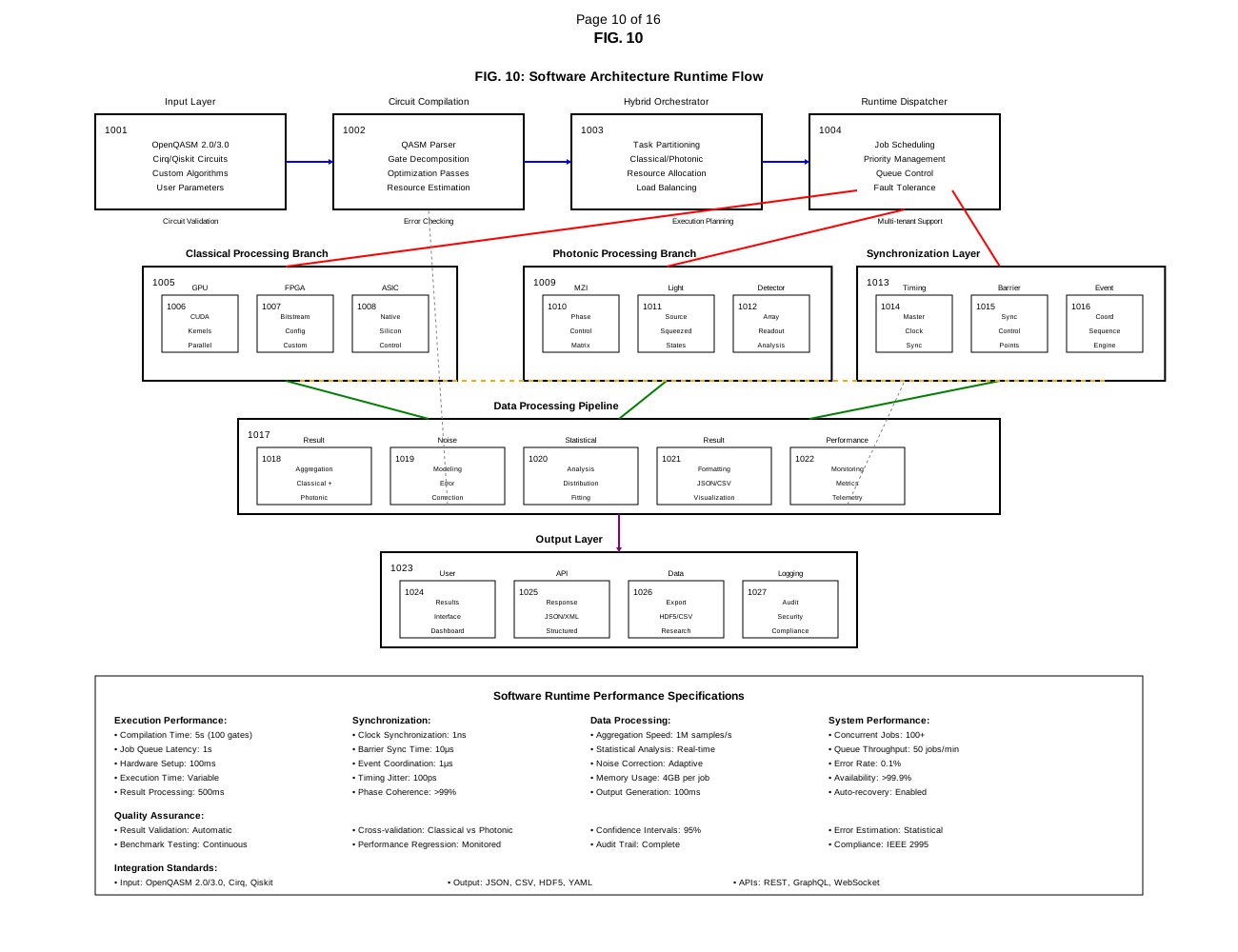
Hybrid Execution Model
Workflow diagram illustrating how computations are partitioned between classical and photonic processors for optimal performance.
AI-Augmented Circuit Partitioning
Machine learning engine that dynamically determines optimal workload distribution between classical and quantum subsystems.
Optical Interconnect Architecture
Silicon photonics-based interconnect system enabling high-bandwidth, low-latency communication between processing elements.
Quantum State Preparation
Single-photon source array and state preparation circuits for initializing quantum computations.
Measurement and Readout
Single-photon detector array and classical post-processing pipeline for quantum measurement results.
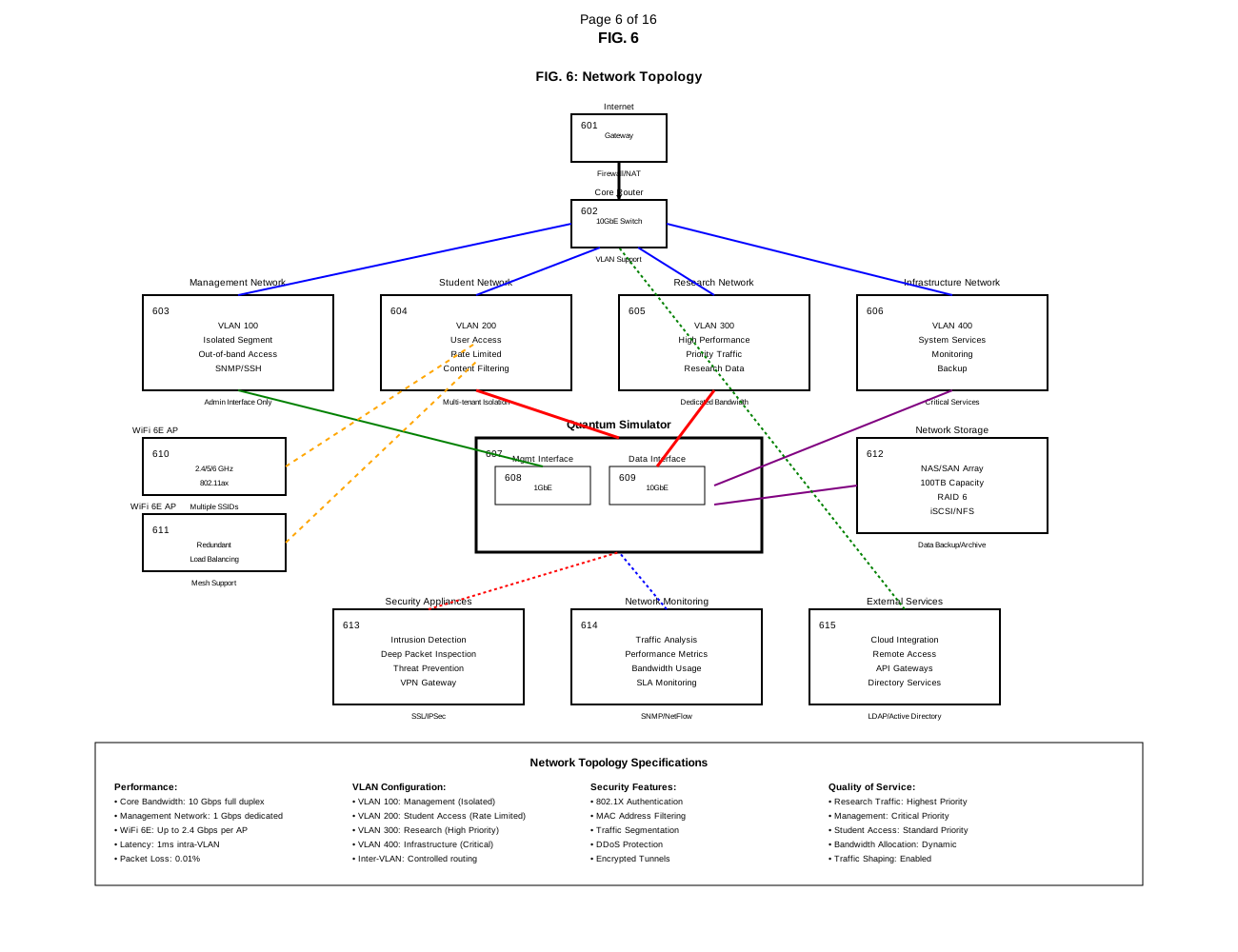
Platform Infrastructure
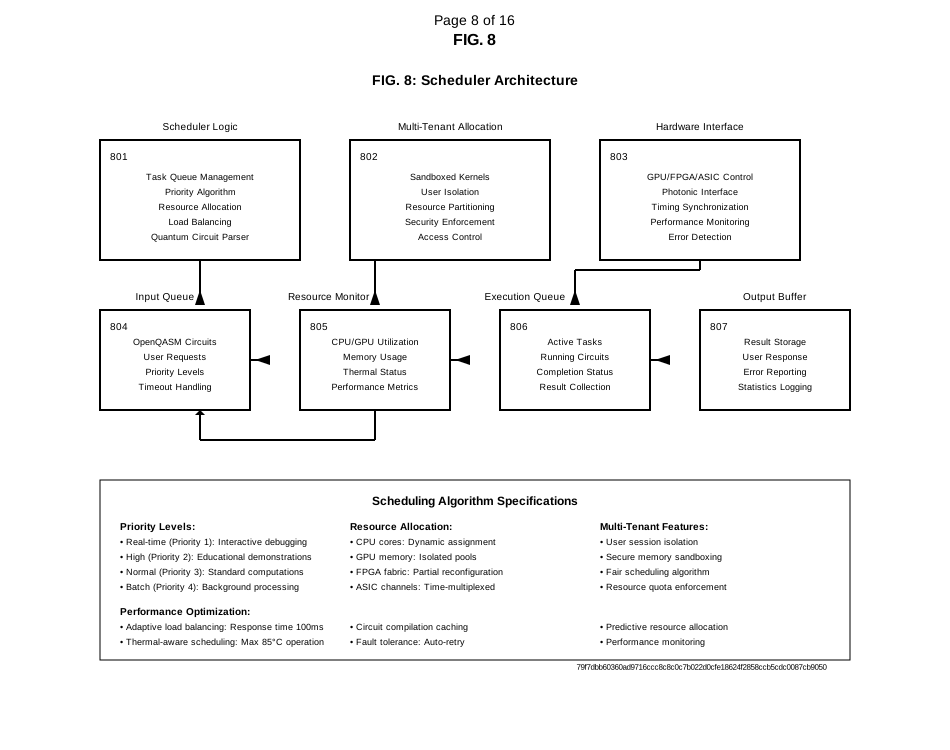
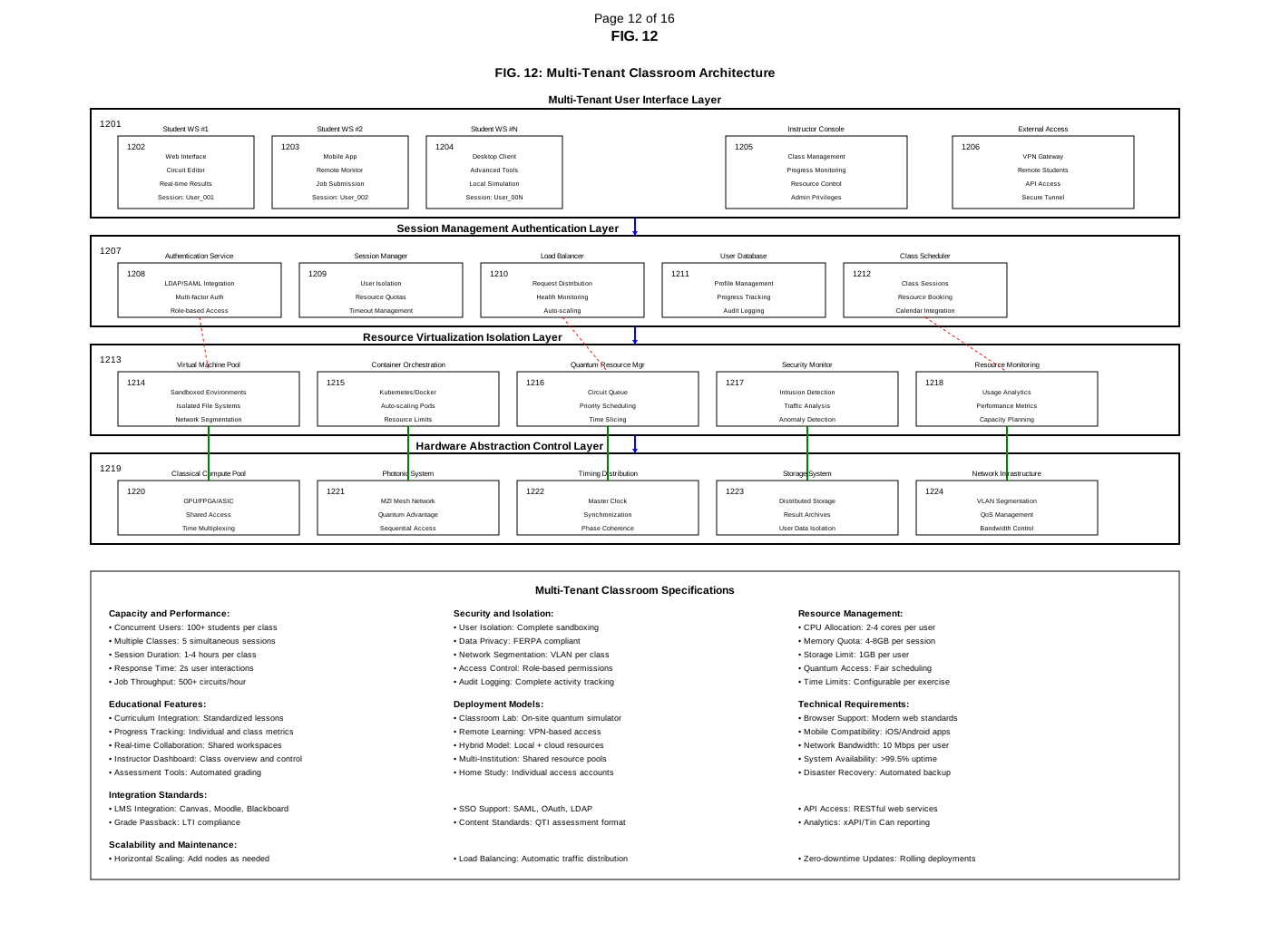
Multi-Tenant Architecture
Software architecture enabling concurrent access for 100+ users while maintaining isolation and fair resource allocation.
Error Mitigation Pipeline
Real-time error detection and mitigation techniques for maintaining computational fidelity in the photonic subsystem.
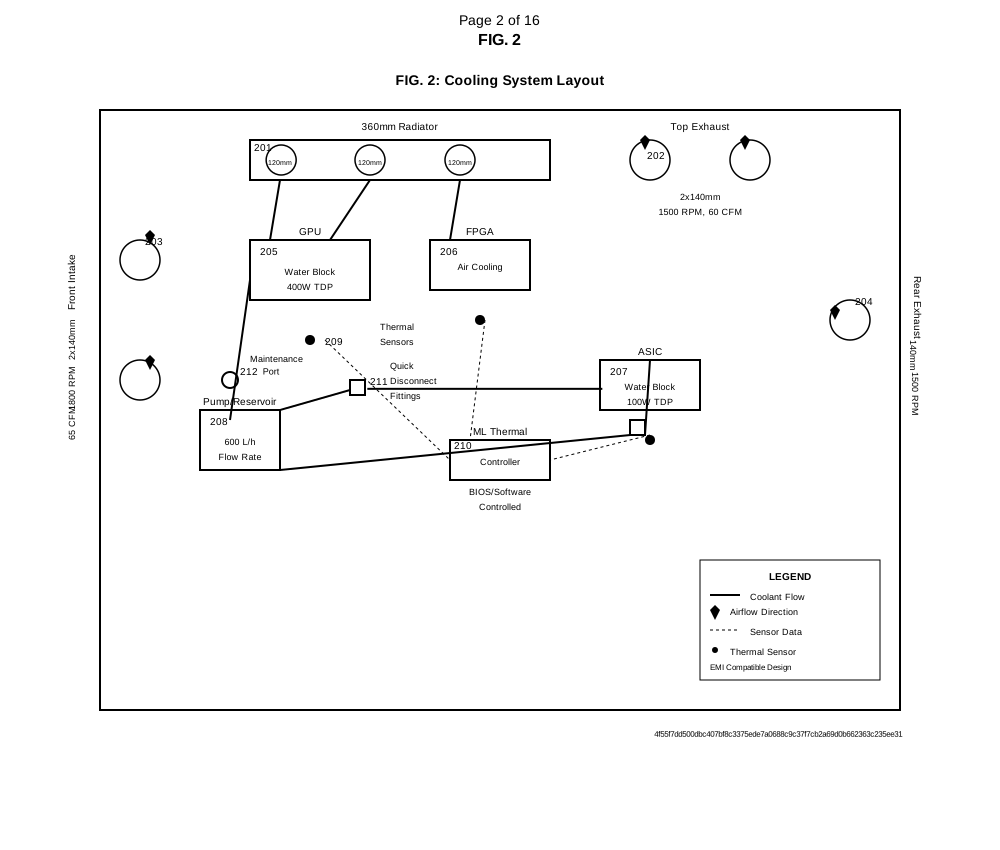
Thermal Management System
Passive and active cooling architecture maintaining room-temperature operation without cryogenic requirements.
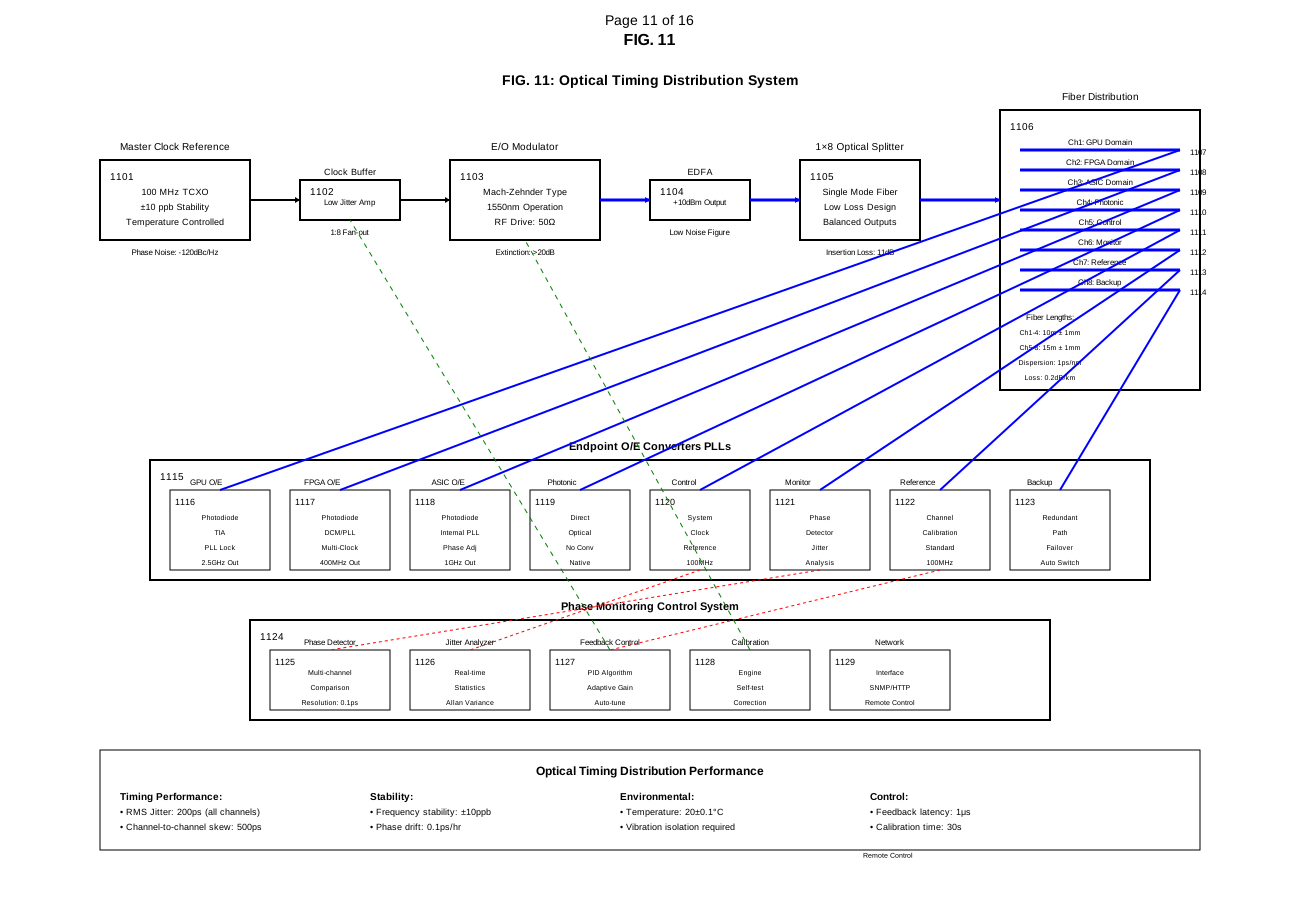
Control Electronics
FPGA-based control system managing photonic component timing, phase control, and detector synchronization.
Software & User Experience
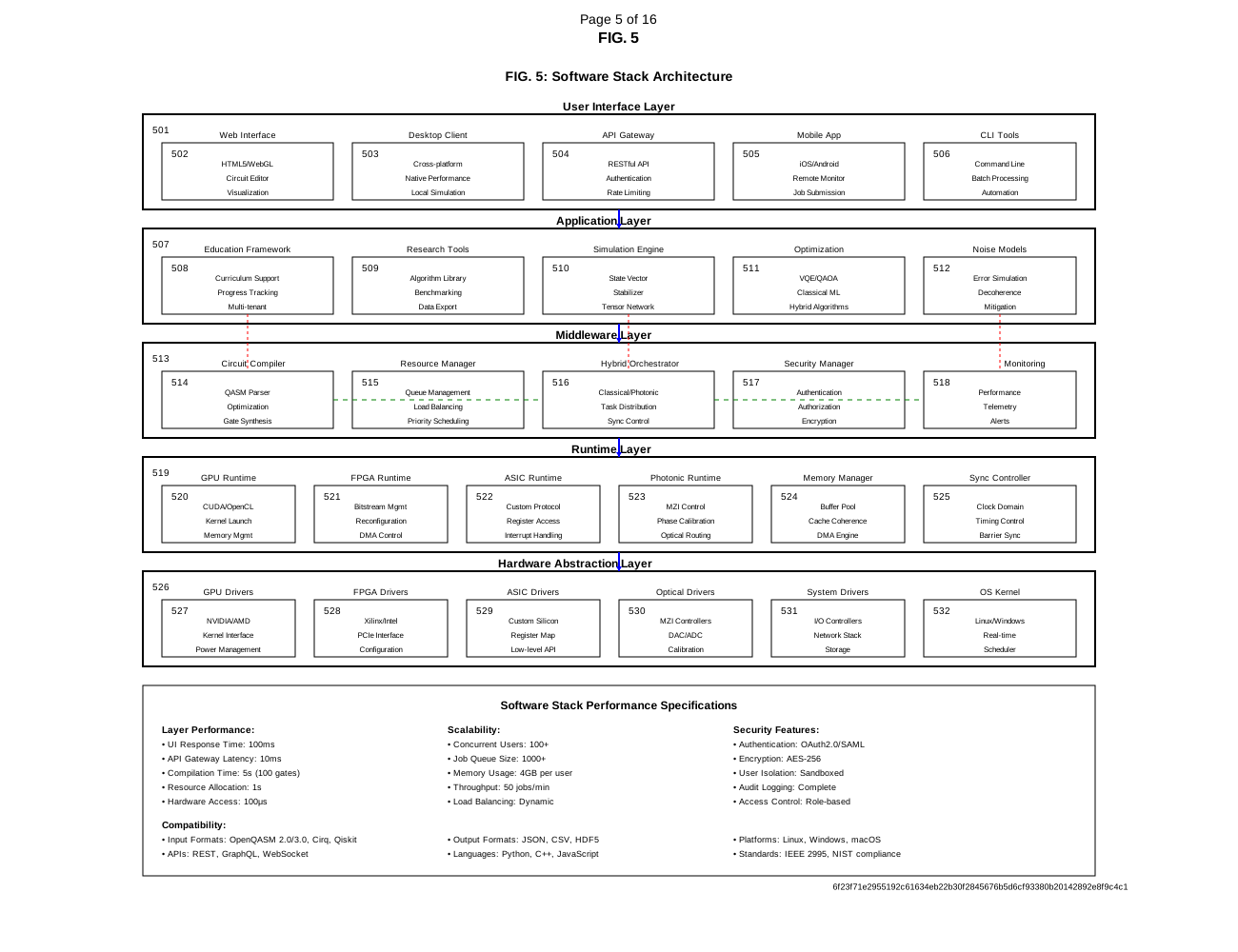
Software Stack
Layered software architecture from low-level hardware abstraction to high-level quantum programming interfaces.
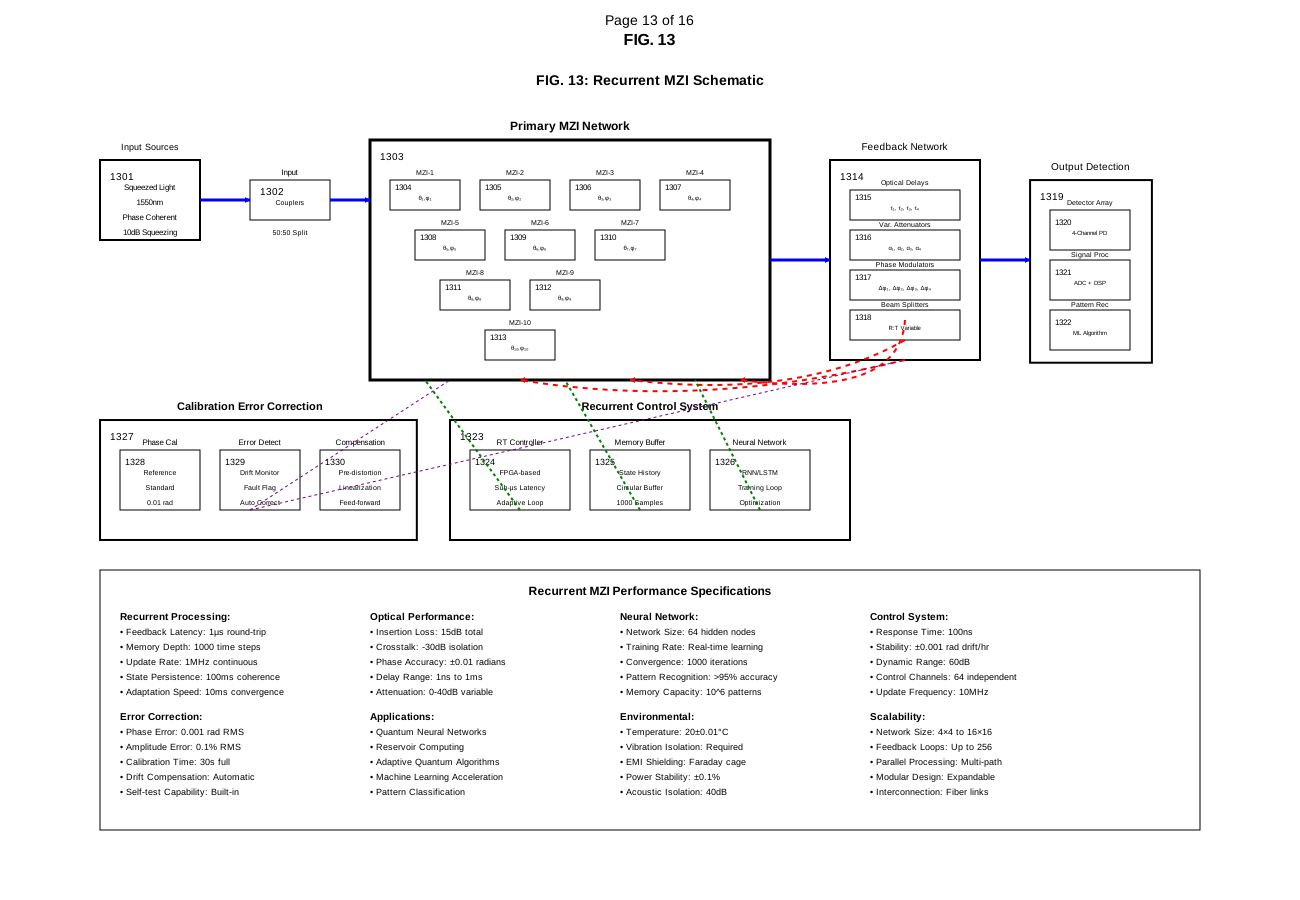
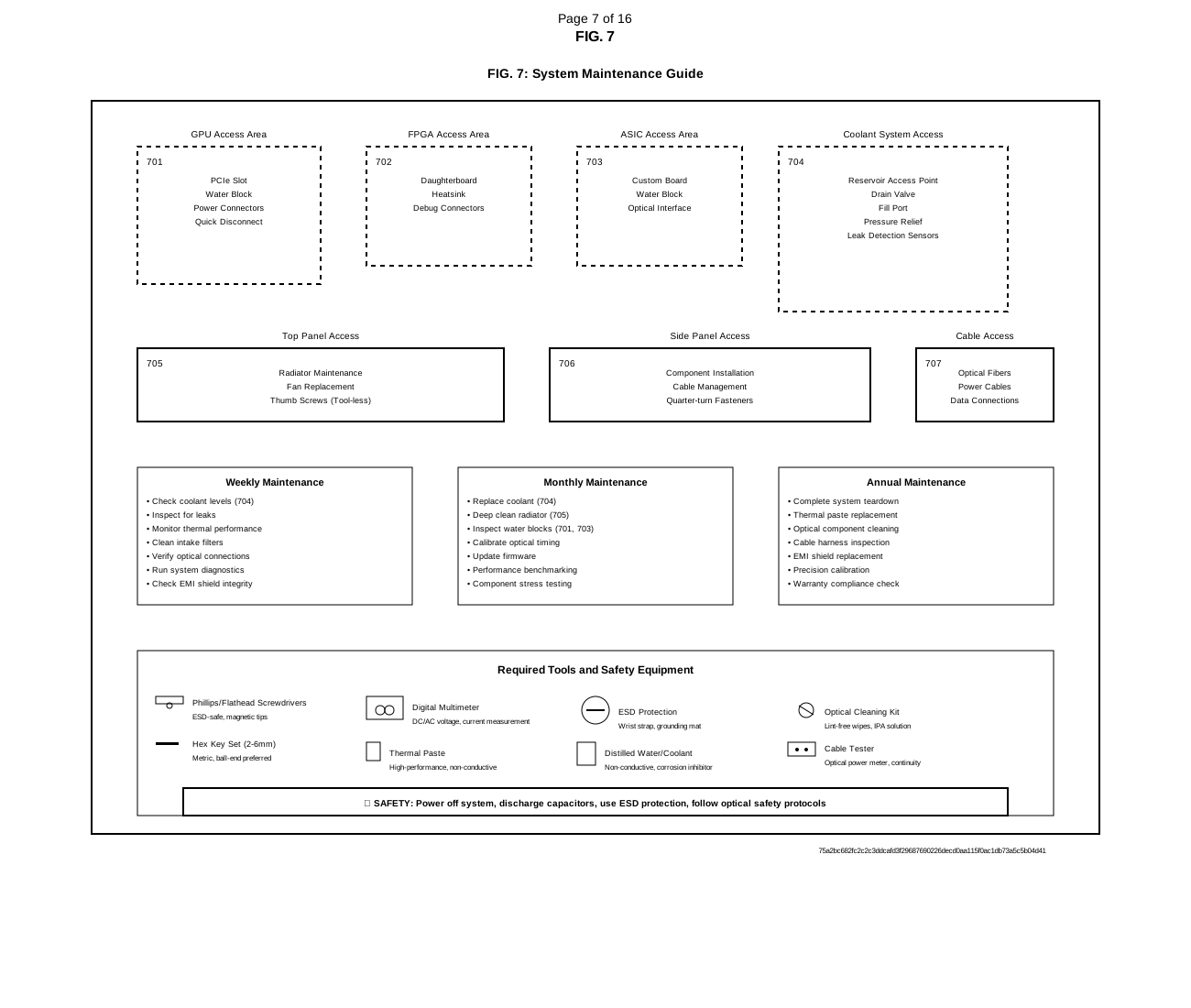
Desktop Form Factor
Physical enclosure design optimized for laboratory deployment with standard rack-mount compatibility.
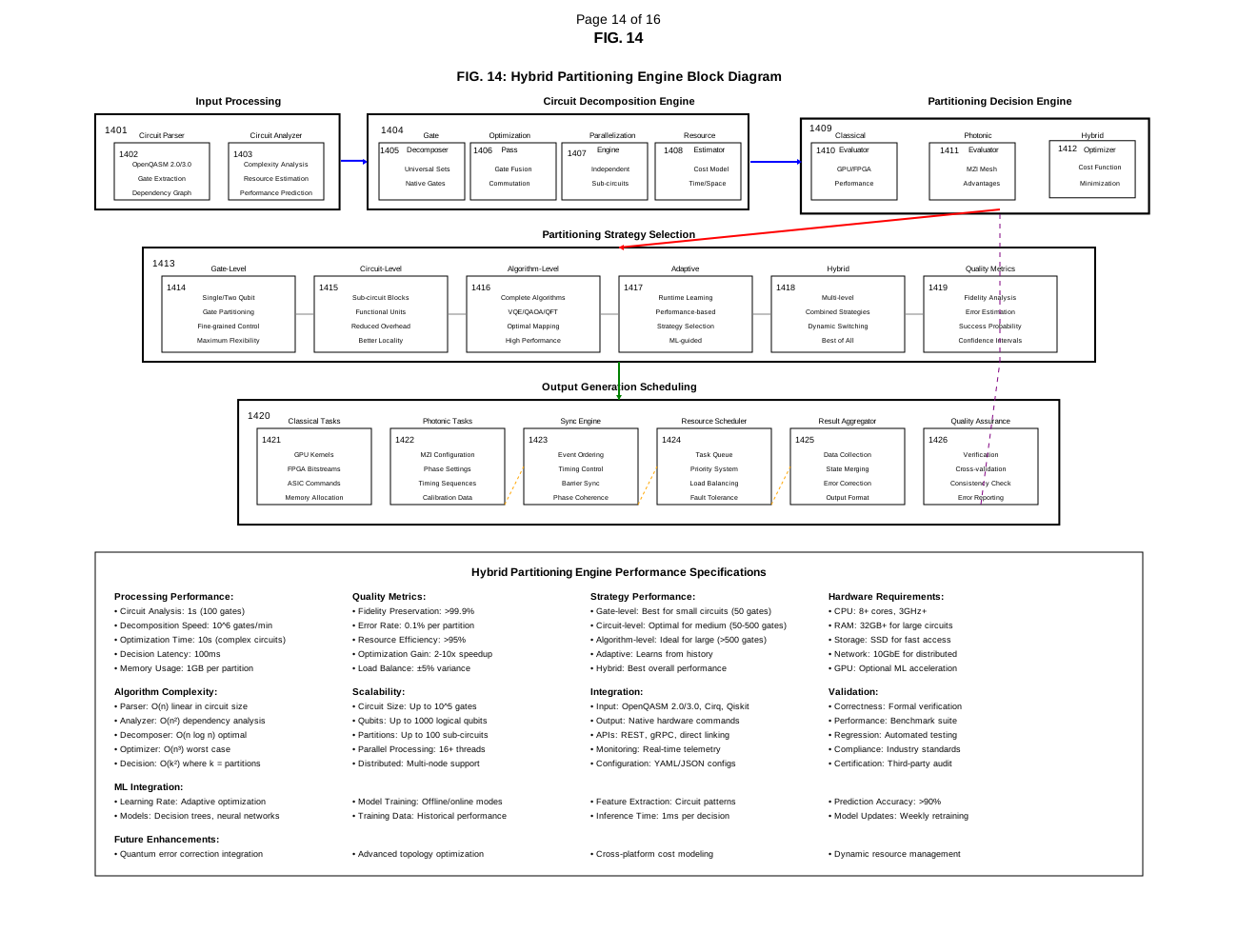
Quantum Algorithm Workflow
End-to-end workflow for executing quantum algorithms, from high-level description to photonic circuit compilation and execution.
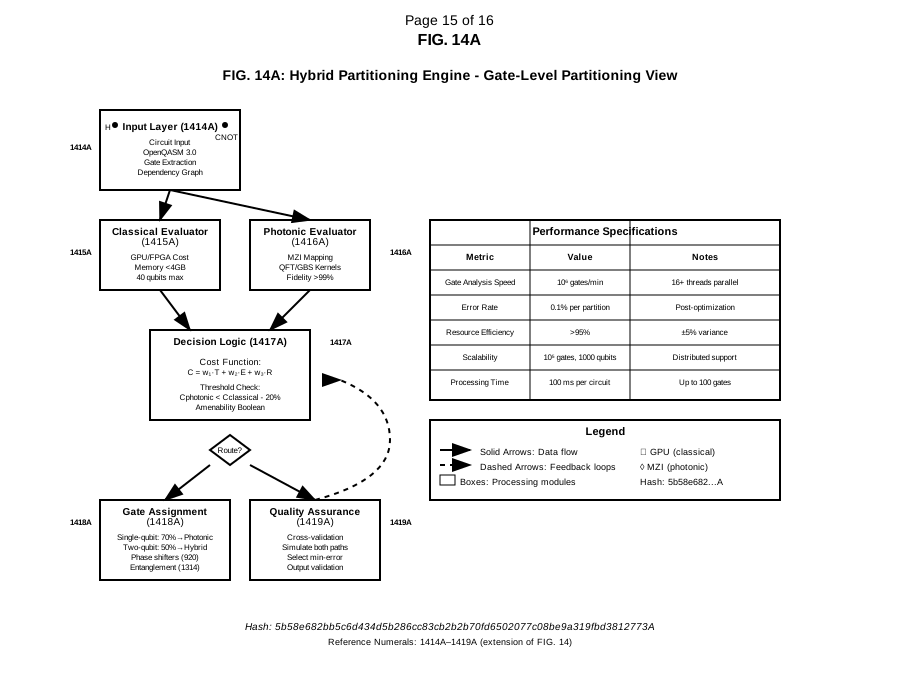
Circuit Compilation Pipeline
Detailed view of the quantum circuit compilation process, transforming abstract quantum operations into photonic gate sequences.
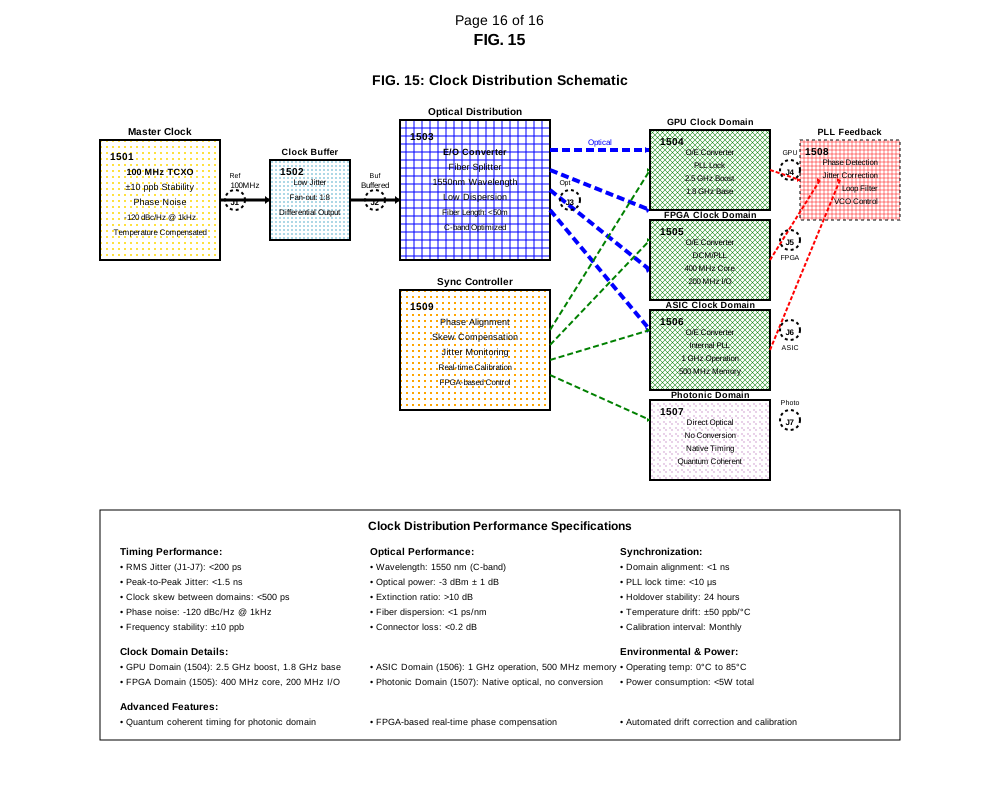
Educational Interface
Multi-tenant user interface designed for educational environments, enabling concurrent student access with progress tracking and curriculum integration.
Interested in Our Technology?
Register your interest to learn more about the QL-series platform and partnership opportunities.
Register Interest